
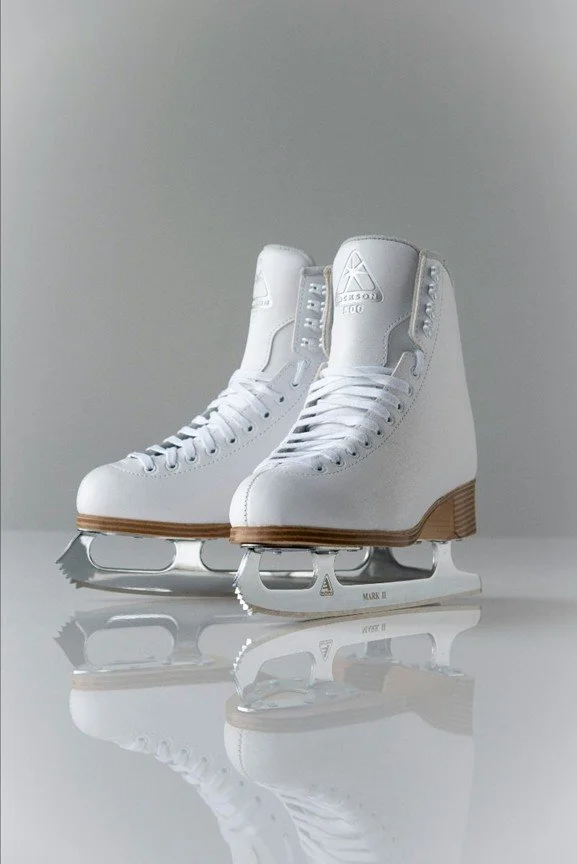
Photo by Zoë Warmerdam on Unsplash
One of the brightest moments of the Milano-Cortina Olympic Games was the gold medal performance of Alysa Liu.
She faced fierce competition from two highly experienced Japanese skaters—older, seasoned, and battle-tested on the world stage. On paper, the pressure could not have been higher.
But what stood out most to me was not her technical execution. It was her mindset.
Rather than narrowing her focus solely to jumps, scores, and perfection, Alysa made a conscious decision to anchor herself in joy. She reframed her performance around what she loves about skating: expression, beauty, connection with the audience, and the grace of the sport itself.
That may sound simple. It isn’t.
This was an athlete choosing alignment over anxiety—deciding how she wanted to show up in the most scrutinized moment of her career.
Leading Yourself Before You Lead Others
In collegiate athletics, we often talk about leadership as something directed outward—toward teams, staff, and culture. But the highest level of leadership begins internally.
Alysa demonstrated exceptional self-awareness. She understood that elite performance brings nerves, doubt, pressure, and vulnerability. Add to that the experience of standing alone on the ice, with millions of eyes analyzing every movement.
Instead of fighting those emotions, she reframed them.
In my work with coaches and athletic departments, I often ask a simple but powerful question:
“What’s another way you can think about this performance?”
This is reframing—finding a new lens that better expresses the meaning of the moment. Like changing the frame around a painting so the artwork can truly be seen for what it is.The Six Influence Factors of Performance
Every athlete—and every leader—operates under six influence factors that shape how they perform and how they show up:
Mental
Physical
Social
Environmental
Emotional
Spiritual (purpose, meaning, values)
These factors are always present, whether in competition, in the locker room, or in a board meeting.
The critical question becomes:
Which factor is helping me right now—and which one might be getting in the way?
For Alysa, the emotional and mental factors shifted from fear and pressure to joy and expression. That shift unlocked her best skating when it mattered most.A Lesson for Coaches and Athletic Leaders
Alysa didn’t abandon discipline or preparation. She simply found a way to compete that matched who she is, both as a person and an athlete.
This is the lesson for us:
High performance is not only about pushing harder.
It is about aligning mindset, emotion, and purpose with the moment.
Imagine if we helped our athletes—and our staffs—ask:
What am I focusing on right now?
Which influence factor needs attention?
What’s another way I can frame this challenge?
That is how resilience is built.
That is how confidence is sustained.
That is how people perform with freedom instead of fear.
Alysa Liu earned her gold medal not just through skill, but through self-mastery.
And that is something worth being in awe of.
